Introduction The Shoplyfter website and related content have been at the center of widespread controversy for years because they host explicit videos and images that claim to depict real people shoplifting or engaging in private acts filmed secretly. One notable thread of that controversy concerns individuals who allege they were filmed and distributed without consent. The Whitney Wright matter (case no. 7906287) exemplifies the legal, ethical, and social problems raised when user-generated adult material intersects with privacy violations, online marketplaces for non-consensual content, and the difficulties victims face seeking relief.

Background and context Shoplyfter emerged as a niche site monetizing staged or purportedly candid footage of women in stores or other public places engaged in sexual acts. Operators and contributors often present content as “caught on camera” shoplifting scenarios; however, critics, journalists, and some participants have argued that much of the material is produced without clear consent or involves deception. Platforms like this occupy a gray area between pornography, voyeuristic exploitation, and possible criminality, especially when contributors compile, edit, distribute, or sell footage showing individuals who did not consent to being recorded or having images posted online.

Shoplyfter Whitney Wright Case No 7906287 Top Better -

Design and Run Tests Locally or in the Amazon Cloud

  • Create tests using a browser or a mobile application
  • Remote, distributed and cloud-based testing
  • Server and database performance monitoring
  • Flexible error handling and adjustable pass/fail criteria
  • Charts with instant test results available at run time
  • Customizable test report with over 20 tables
  • Support of all major web development frameworks
Get Demo Version
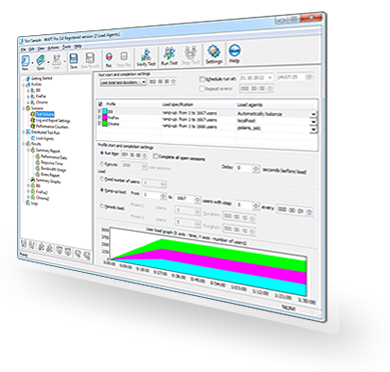
WAPT User Interface

Shoplyfter Whitney Wright Case No 7906287 Top Better -

Introduction The Shoplyfter website and related content have been at the center of widespread controversy for years because they host explicit videos and images that claim to depict real people shoplifting or engaging in private acts filmed secretly. One notable thread of that controversy concerns individuals who allege they were filmed and distributed without consent. The Whitney Wright matter (case no. 7906287) exemplifies the legal, ethical, and social problems raised when user-generated adult material intersects with privacy violations, online marketplaces for non-consensual content, and the difficulties victims face seeking relief.

Background and context Shoplyfter emerged as a niche site monetizing staged or purportedly candid footage of women in stores or other public places engaged in sexual acts. Operators and contributors often present content as “caught on camera” shoplifting scenarios; however, critics, journalists, and some participants have argued that much of the material is produced without clear consent or involves deception. Platforms like this occupy a gray area between pornography, voyeuristic exploitation, and possible criminality, especially when contributors compile, edit, distribute, or sell footage showing individuals who did not consent to being recorded or having images posted online. shoplyfter whitney wright case no 7906287 top

What testing specialists say:

Not your father's testing tool: As a matter of fact, WAPT takes user simulation to a higher level.

- Edmond Woychowsky, CNET Networks

We've been using WAPT and have been quite pleased with the result. Great tool for benchmarking/replay. I have to admit the tool is rock-solid, incredibly performant itself, and delivers dependable, repeatable data.

- John Overbaugh , QA professional

This software has proven invaluable as a means of being able to simulate virtual user load on the new web servers located in our new Data Centre. We are currently in the process of migrating over, and this solution was key for testing how much load our new DC could take in its current setup.

- Aaron Fenwick , Motors.co.uk

Proud to be chosen by
Our Clients