Lumion 12 Zmco -

lumion 12 zmco

Outline and History

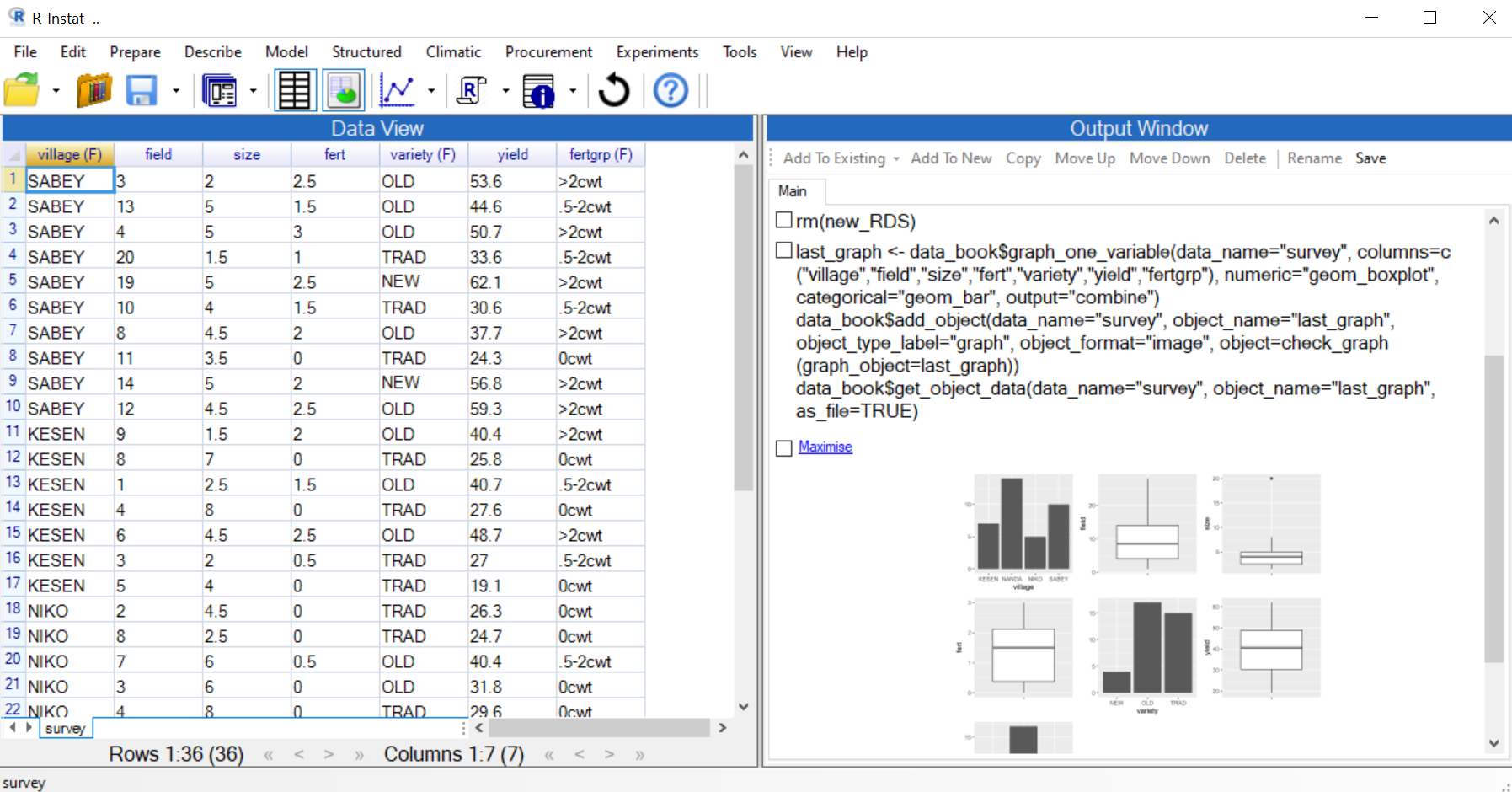
Good statistical understanding can be easy to learn and should be accessible to everyone. It is invaluable for informed decision making across disciplines and education levels. The software development has been led by Africa talent and is intended for a broad-multilingual audience.

R-Instat provides a front-end to R, designed to broaden the users of the software, particularly in Africa. "R is an open-source programming language and software environment for statistical computing and graphics that is supported by the R Foundation for Statistical Computing. The R language is widely used among statisticians and data miners for developing statistical software and data analysis."

R’s reputation has grown incredibly in recent years. General information about R is here and it’s early history is given here. The original Instat was an easy-to-use statistics package, produced at the University of Reading, UK. It was designed to support good statistical practice and included a special menu for the analysis of historical climatic data. The ideas behind Instat have motivated the structure of the R-Instat menus and dialogues, though no line of the original code remains.

R-Instat started thanks to a crowd-sourcing campaign in 2015. This 3 minute video from the original campaign outlines the need for this software.
Lumion 12 Zmco -

For educators and studios, Lumion 12 — and the iterative improvements symbolized by “ZMCO” — are pedagogical gold. They lower technical thresholds for students, letting instructors emphasize composition, program, and context rather than plugin troubleshooting. In practice, that means better-armed graduates who can produce compelling visual narratives without being workflow prisoners.

Enter ZMCO — whether an emerging plugin, file format quirk, or an internal shorthand for a new material or export mode — as a symbol rather than a specific: it highlights how modern visualization tools aren’t about monolithic feature drops so much as the quiet ecosystem improvements. Those little pivots remove friction. Maybe ZMCO is a compatibility fix that makes importing complex models less painful, or a tweak to how displacement maps are handled, or an optimization that trims export sizes while retaining fidelity. Whatever the concrete change, it’s the kind of targeted improvement that transforms “workable” into “delightful.” lumion 12 zmco

In the end, architecture remains an act of persuasion. Lumion 12 keeps sharpening the megaphone: brighter, faster, and — crucially — easier to use. The result? More conversations, earlier in the process, and with visuals that actually help everyone imagine better buildings. For educators and studios, Lumion 12 — and

Lumion 12 lands like a confident new exhibit in the architecture software gallery: familiar halls redesigned with bolder lighting, a livelier crowd, and a friendly docent who knows how to make complex ideas feel simple. For architects, visualization specialists, and design students who’ve learned to wrestle with render times, asset wrangling, and endless tweak cycles, Lumion’s steady obsession with immediacy and clarity keeps paying off — and whatever “ZMCO” represents in this context, it feels emblematic of the small, focused improvements that turn a good tool into an indispensable one. Enter ZMCO — whether an emerging plugin, file

But delight has a practical twin: expectation. The democratization of realistic visualization raises the bar for presentation everywhere; clients expect cinematic walkthroughs, municipal planners expect immersive context, and marketing teams expect glossy hero shots. Lumion 12’s enhancements — better skies, more convincing materials, faster volumetrics — make it easier to meet and exceed those expectations. They also push the creative community to new levels: if rendering becomes less of a bottleneck, then conceptual clarity, storytelling, and architectural intent come into sharper relief. Tools that smooth the technical path implicitly demand better design thinking.

Documentation

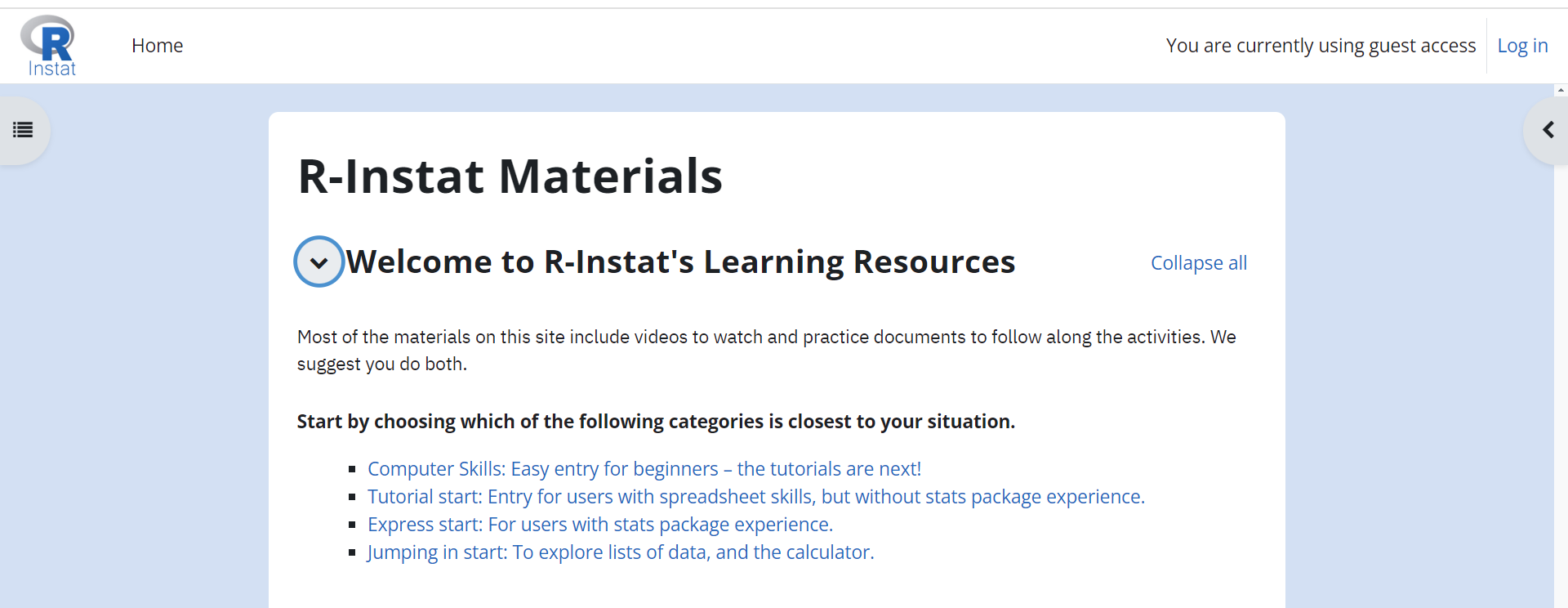
Documentation for R-Instat’s core features, along with tutorials and guides, is available online ecampus.r-instat.org.

lumion 12 zmco

For educators and studios, Lumion 12 — and the iterative improvements symbolized by “ZMCO” — are pedagogical gold. They lower technical thresholds for students, letting instructors emphasize composition, program, and context rather than plugin troubleshooting. In practice, that means better-armed graduates who can produce compelling visual narratives without being workflow prisoners.

Enter ZMCO — whether an emerging plugin, file format quirk, or an internal shorthand for a new material or export mode — as a symbol rather than a specific: it highlights how modern visualization tools aren’t about monolithic feature drops so much as the quiet ecosystem improvements. Those little pivots remove friction. Maybe ZMCO is a compatibility fix that makes importing complex models less painful, or a tweak to how displacement maps are handled, or an optimization that trims export sizes while retaining fidelity. Whatever the concrete change, it’s the kind of targeted improvement that transforms “workable” into “delightful.”

In the end, architecture remains an act of persuasion. Lumion 12 keeps sharpening the megaphone: brighter, faster, and — crucially — easier to use. The result? More conversations, earlier in the process, and with visuals that actually help everyone imagine better buildings.

Lumion 12 lands like a confident new exhibit in the architecture software gallery: familiar halls redesigned with bolder lighting, a livelier crowd, and a friendly docent who knows how to make complex ideas feel simple. For architects, visualization specialists, and design students who’ve learned to wrestle with render times, asset wrangling, and endless tweak cycles, Lumion’s steady obsession with immediacy and clarity keeps paying off — and whatever “ZMCO” represents in this context, it feels emblematic of the small, focused improvements that turn a good tool into an indispensable one.

But delight has a practical twin: expectation. The democratization of realistic visualization raises the bar for presentation everywhere; clients expect cinematic walkthroughs, municipal planners expect immersive context, and marketing teams expect glossy hero shots. Lumion 12’s enhancements — better skies, more convincing materials, faster volumetrics — make it easier to meet and exceed those expectations. They also push the creative community to new levels: if rendering becomes less of a bottleneck, then conceptual clarity, storytelling, and architectural intent come into sharper relief. Tools that smooth the technical path implicitly demand better design thinking.

Contact

To report issues or bugs with the software, please post an issue on our Github Issues page.

We are more than happy to welcome any developer to take on the task of making R-Instat better.

We welcome you to get a copy of source code in our Github page.