Buy Kickstart


This plugin is life-changing. I’ve told Nicky it would be awesome to make the bass & duck communicate, and he’s done it! Just by moving the slope, I have a perfect sidechain for my kick.

Mixing in 2022 is more important than ever, especially for dance floor tracks. The kick is the most important element in most dance tracks and it really needs a proper place in your mix. This new version gives more hands on tools to shape the place of your kick in the mix, to make sure it has the perfect impact on the dance floor! Essential!
A sidechain tool I've been looking for my whole life. Thank you Nicky for letting me help during the development of the plugin. It's a must have tool!
An already powerful tool just got even better. Kickstart 2 comes with insane flexibility and awaited new features. The perfect side-chain pump plug-in just arrived… and she’s gorgeous.
This plugin is life-changing. I’ve told Nicky it would be awesome to make the bass & duck communicate, and he’s done it! Just by moving the slope, I have a perfect sidechain for my kick.
Mixing in 2022 is more important than ever, especially for dance floor tracks. This new version gives more hands on tools to shape the place of your kick in the mix, to make sure it has the perfect impact on the dance floor! Essential!
A sidechain tool I've been looking for my whole life. Thank you Nicky for letting me help during the development of the plugin. It's a must have tool!
An already powerful tool just got even better. Kickstart 2 comes with insane flexibility and awaited new features. The perfect side-chain pump plug-in just arrived… and she’s gorgeous.
Kickstart 2 instantly solves the problem of clashing, muddled kick and bass.
Forget fiddling about with compressors – Nicky Romero and Cableguys put everything you need for professional sidechaining into one fast, easy plugin. Just drop Kickstart on any track to instantly duck the volume with each kick drum, creating space for your bass.
Now your kick and bass will punch right through the speakers with professional impact, definition and groove. Use it for EDM, trap, house, hip-hop, techno, DnB – anything.


Use Kickstart in any DAW, for any style of music. EDM, trap, house, hip-hop, techno, DnB, and beyond
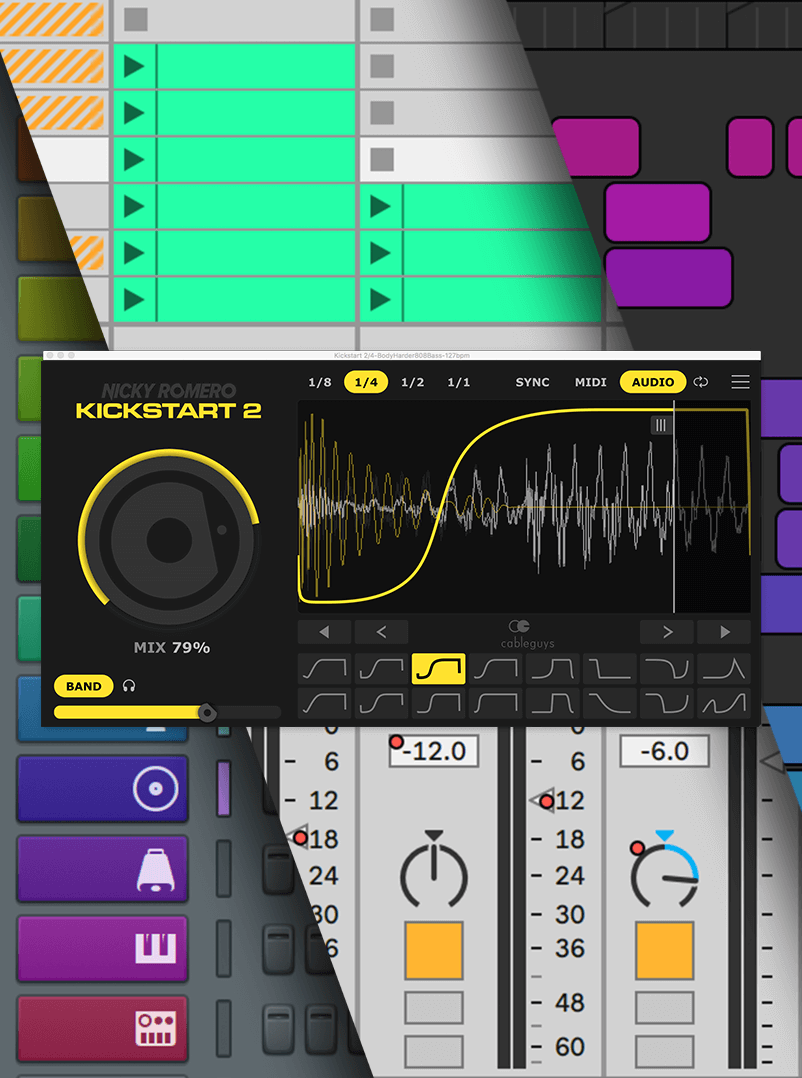
Add Kickstart – instantly get sidechain ducking, with no setup
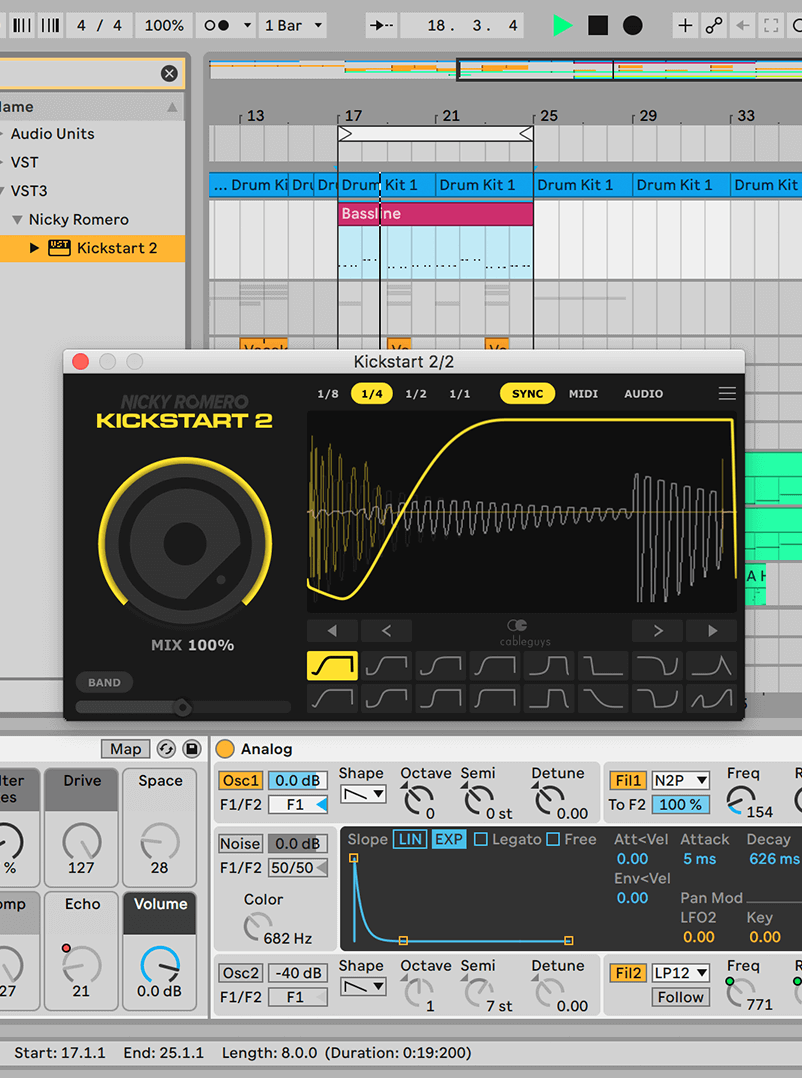
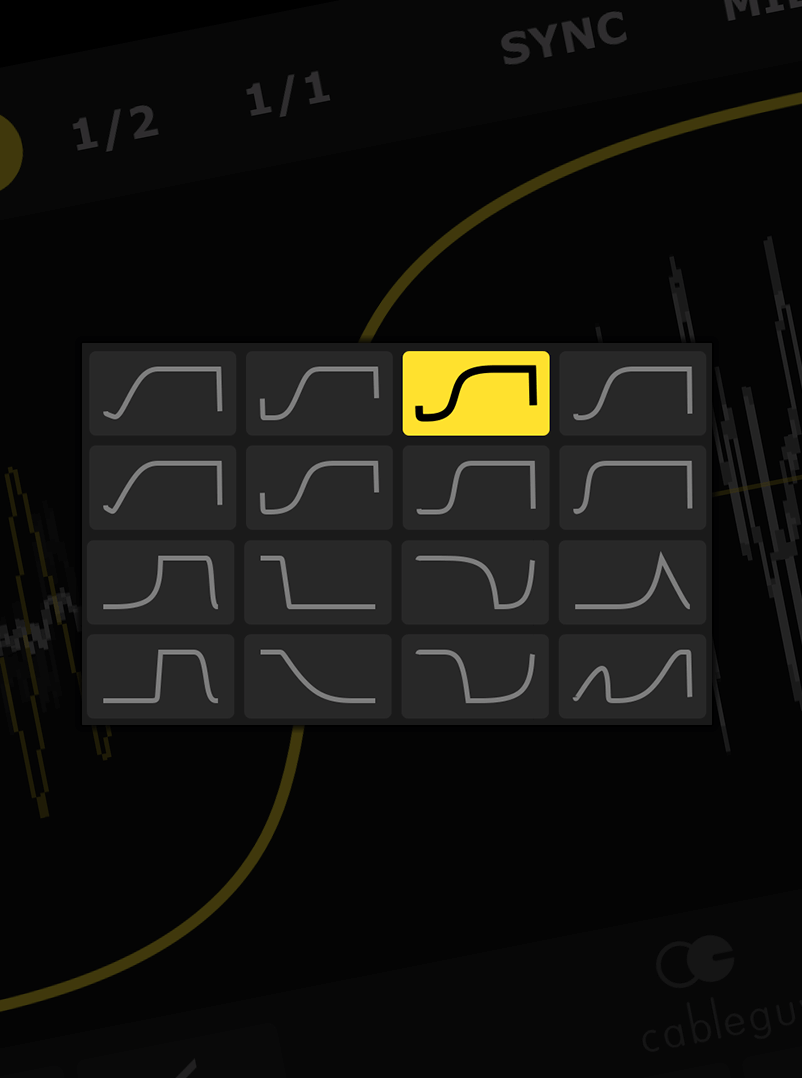
The exact curves Nicky Romero uses to get tracks sounding massive in the club Jigarthanda arrived in 2014 as a deliciously dark,
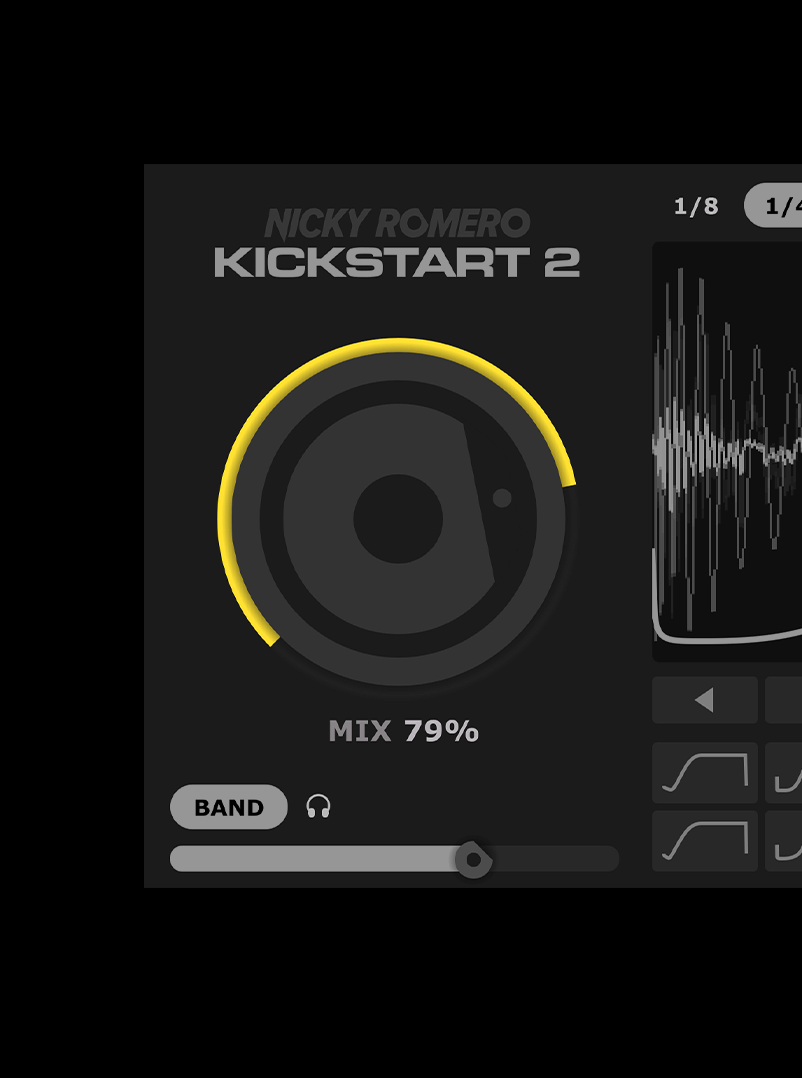
Easily adjust the strength of the sidechain effect to fit any mix
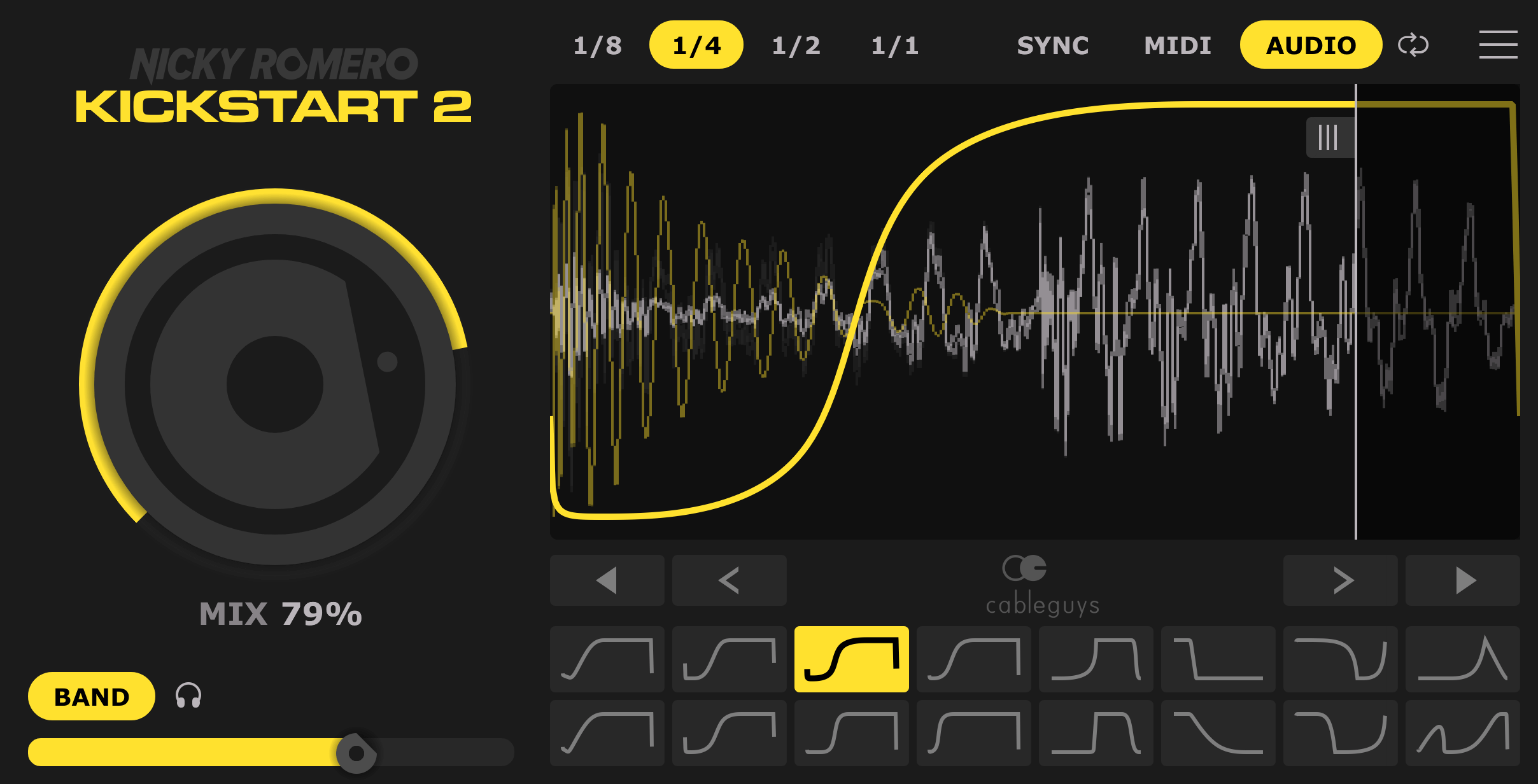
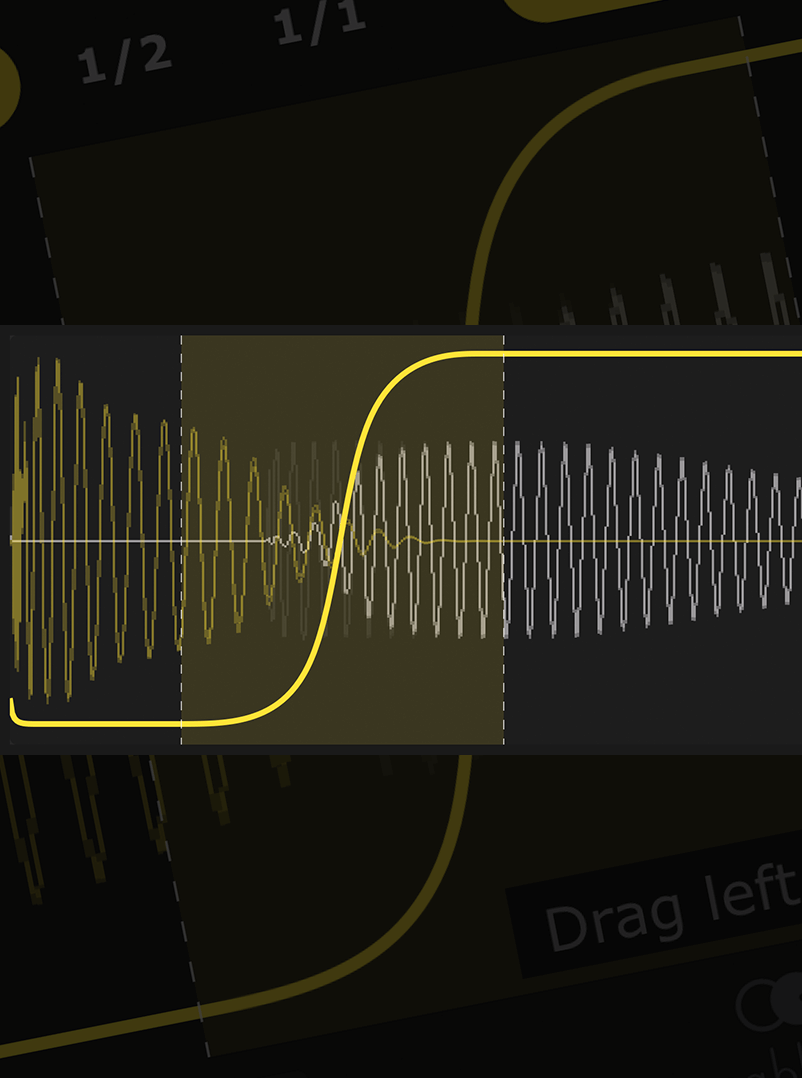
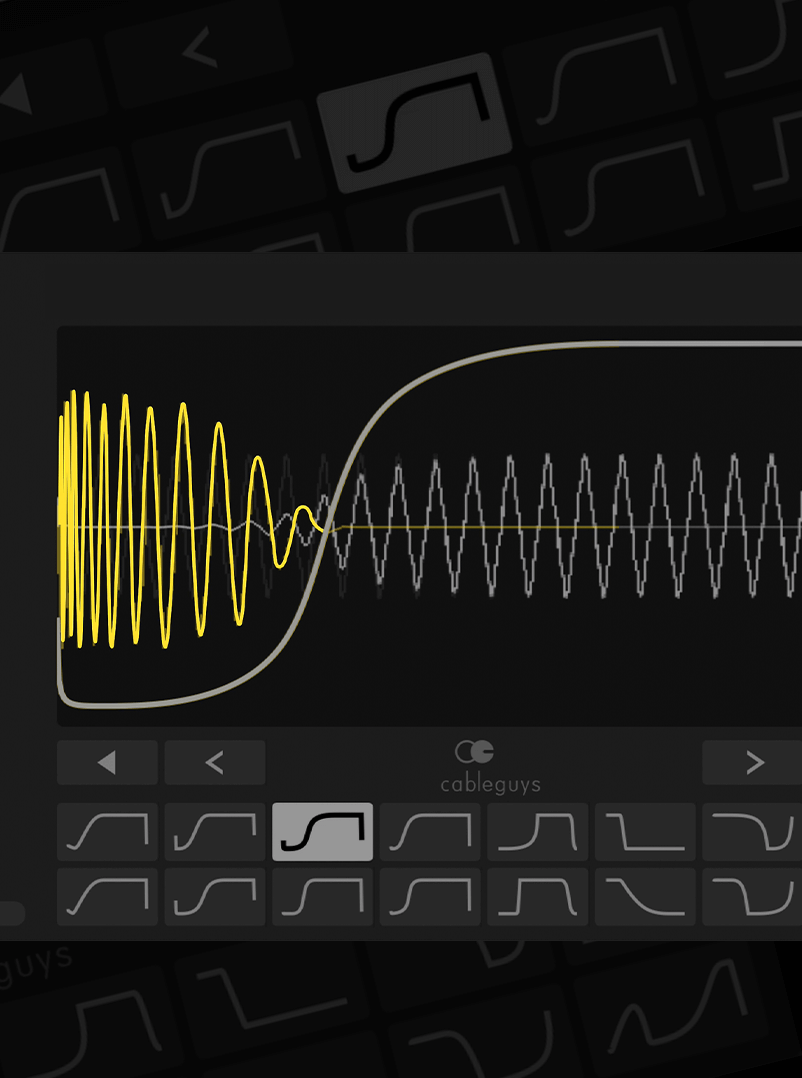
Forget complex editing tools – just drag the curve to fit any kick, long or short
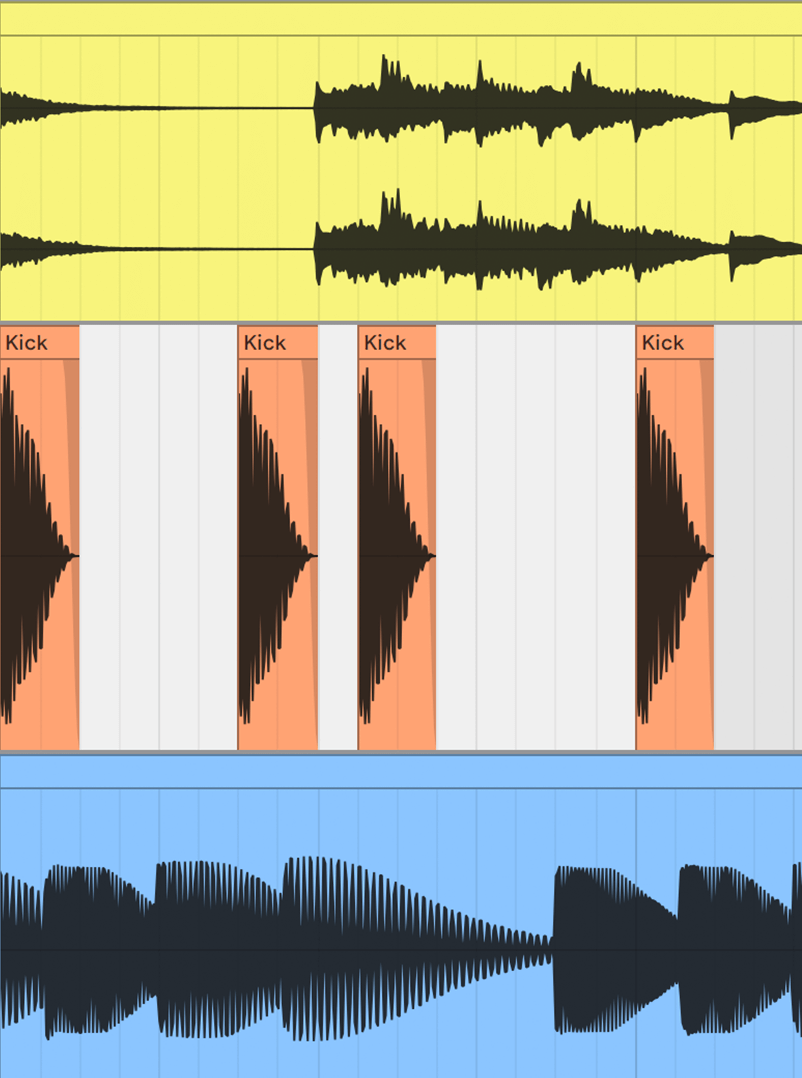
Kick not 4/4? No problem – Kickstart follows any kick pattern with new Cableguys audio triggering Even Sethu, monstrous as he is, reveals moments
Easily duck only the lows of your bassline – the pros’ secret trick for tight bass with full frequencies
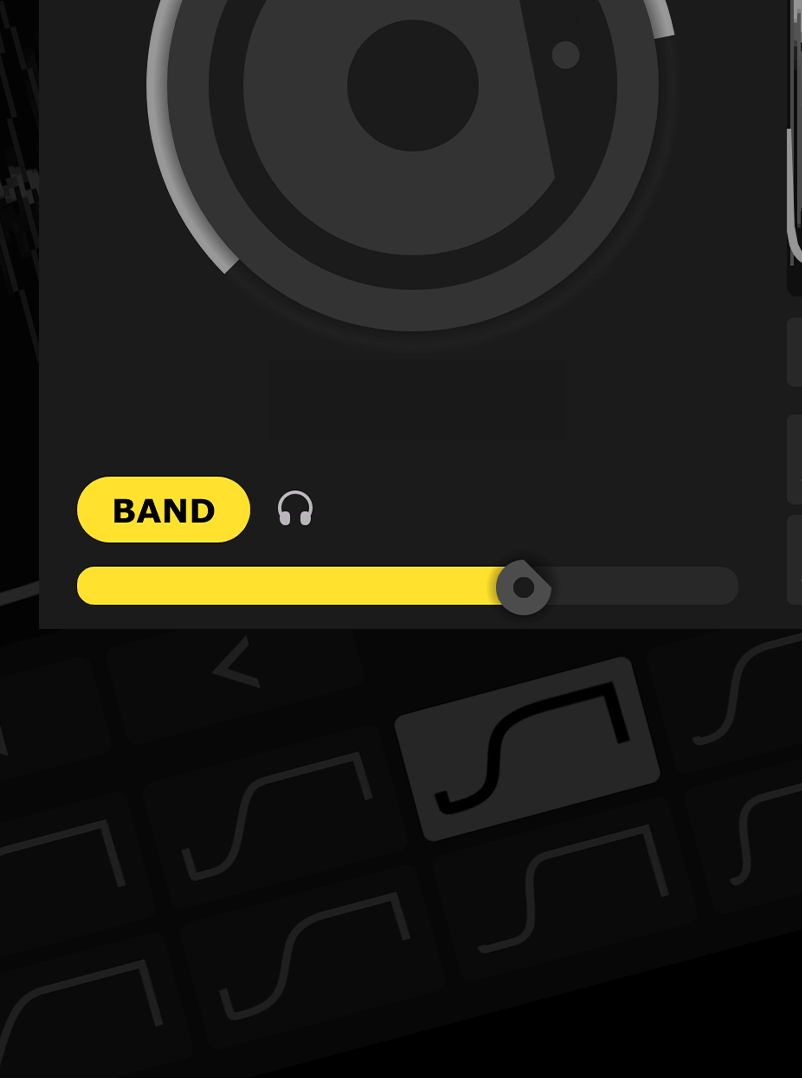
See kick and bass waveforms on the same display – get your lows locked tight like never before
Jigarthanda arrived in 2014 as a deliciously dark, unpredictable concoction: part crime thriller, part black comedy, and part love letter to cinema itself. Set against the sweltering, neon-lit nights of Madurai, the film follows aspiring filmmaker Karthik, whose hunger for authenticity drives him to pursue the most dangerous subject he can find — a real-life gangster named Sethu. What begins as an opportunistic documentary assignment spirals into a surreal, violent, and oddly tender collision between art and brutality.
Beyond its technical strengths, Jigarthanda matters because of its balanced emotional core. Underneath the satire and shocks is a genuine meditation on ambition, identity, and transformation. Karthik’s journey from starry-eyed amateur to someone forced to confront the moral cost of his art is hauntingly plausible. Even Sethu, monstrous as he is, reveals moments of odd vulnerability that complicate easy moral judgment.
Culturally, Jigarthanda left a mark on Tamil cinema: it proved you could mix high-concept ideas with crowd-pleasing elements and still deliver something bold and original. Its influence can be seen in the confidence of later filmmakers who embraced genre mash-ups and self-aware storytelling.
The screenplay is audacious: it lures you into the familiar gangster-film setup, then detours into dark comedy, introspective melodrama, and even experimental, dreamlike sequences that question the nature of storytelling. Subbaraj doesn’t just show violence for spectacle; he interrogates how violence is performed, mythologized, and consumed by audiences and filmmakers alike. This reflexive thread gives Jigarthanda a rare intelligence — it’s a genre film that thinks about genre.