Celebrating 20 Years
Scan, Fix, Clean, Optimize and Protect Your PC


Our 7.9k+ Satisfied Customers
That “fix” changed dynamics. Casual users who had abandoned their patched installs after early breakages returned, emboldened. Security researchers reanalyzed the build and found fewer obvious red flags, though provenance remained opaque. Legal and ethical concerns did not disappear; if anything, they became more acute as the patched client stabilized, normalizing the cracked option for more people.
Month 2 — The Fix Then a quieter development: a new patched build appeared, labeled “fixed.” This time it wasn’t just a memory-patching toggle but a more surgical rework. The updater bypass was hardened; license-check stubs were replaced rather than toggled, and network calls were rerouted to neutral endpoints to avoid triggering server-side flags. The new build tolerated a later official app update without immediate breakage. Technically, it was a step up—more engineering applied to the same fundamental bypass.
Month 4 — Collateral Effects As the patched client persisted, downstream effects emerged. Microsoft tightened server-side verification and rolled out more aggressive update checks. Some legitimate users—those paying for Microsoft 365—reported intermittent access problems as Microsoft’s defensive changes rippled through update servers. Smaller app developers watched closely; many saw in the incident a preview of what happens when a widely deployed productivity tool is compromised or cloned.
Day 1 — The Leak The APK spread the way leaks do: a handful of link posts, followed by mirrors, then screenshots. Chat threads lit up with screenshots of Word’s advanced editing tools, PowerPoint’s export options, and Excel’s premium templates—features that normally required a Microsoft 365 account. Screenshots were carefully staged: no account emails visible, no device IDs. The binary’s signature had been altered; a small, skillful patch removed license checks and flipped a flag deep in the app’s logic.

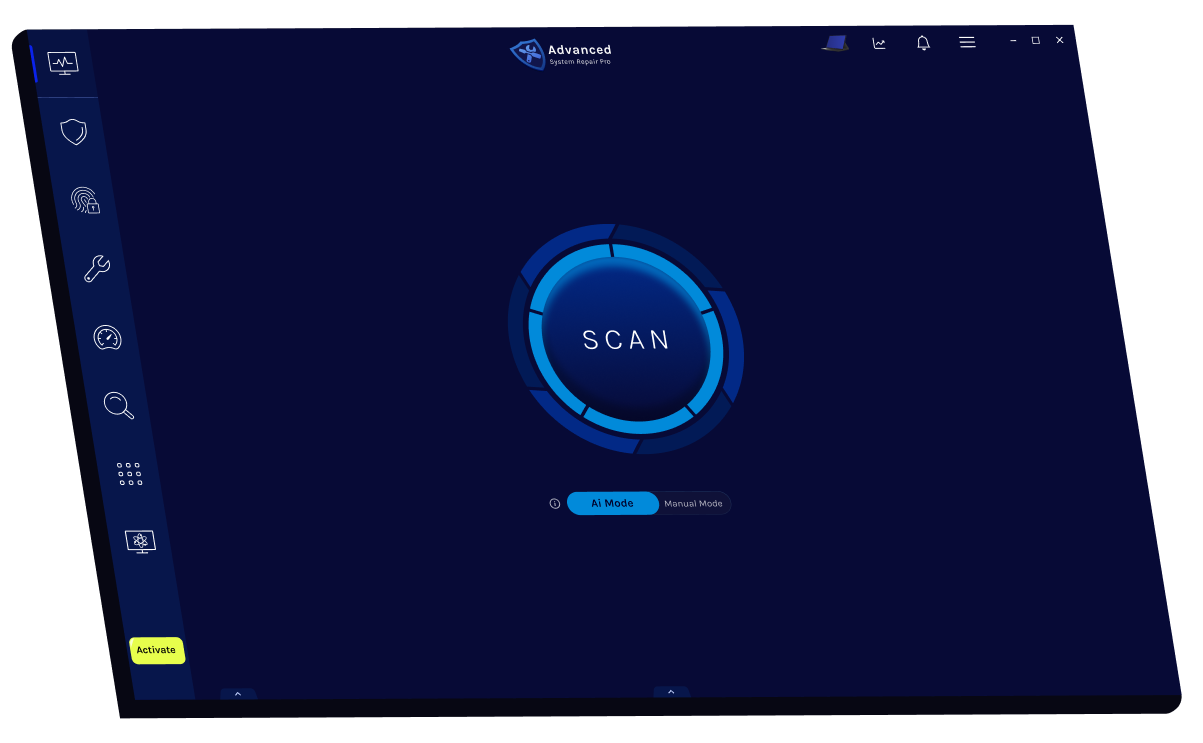
Fix annoying PC issues

Get a cleaner computer in minutes

Speed up and revive your PC

Repair an patch your system files
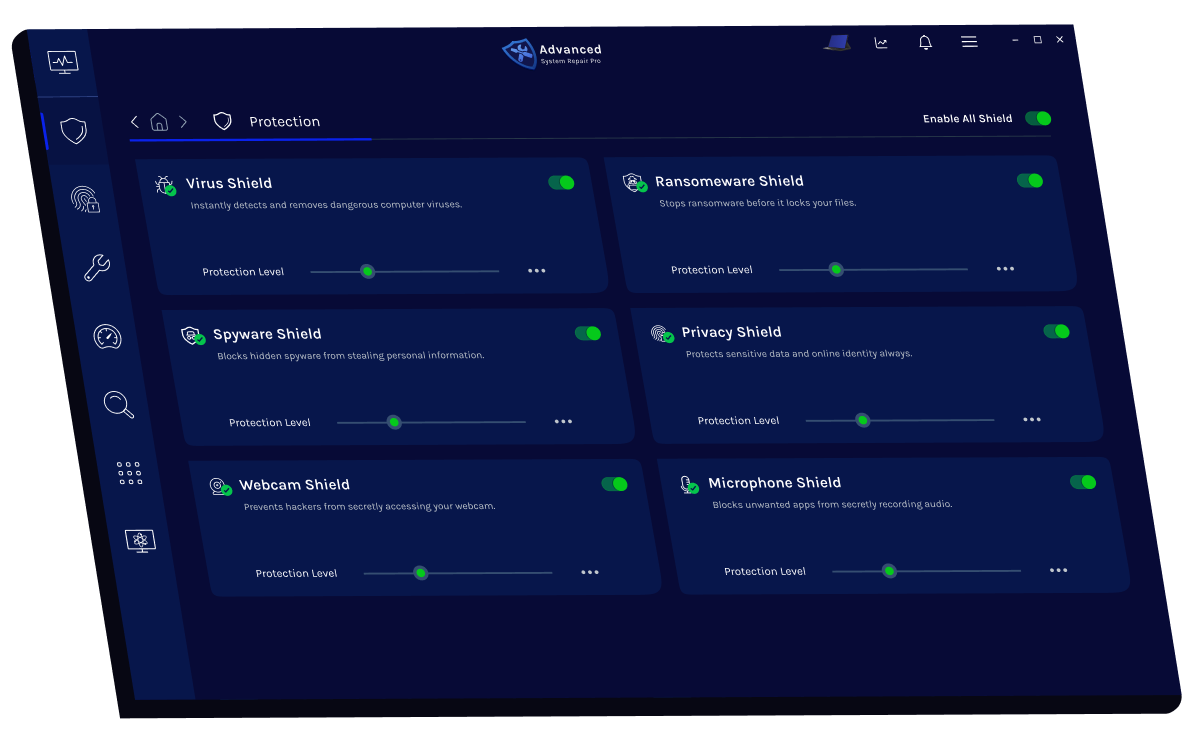

Blocks and removes harmful viruses instantly.

Detects, prevents, and eliminates hidden malicious threats.
Stops ransomware attacks before data gets encrypted.
Protects your personal data from online tracking.
Prevents hackers from spying through your webcam.
Blocks unauthorized apps from listening or recording audio.



Connect with a customer care specialist or tech support, 24/7

Finds and removes all types of harmful malware including trojans, worms, bots, adware, spyware, PUPs and more!

Keeping your computer free from unnecessary clutter also helps make your computer last longer. Like any other machine, if you keep it clean and take care of it, it will serve you better longer! Cracked Version Of Microsoft Office For Android Fixed

The all-in-one privacy suite to Clean Your Tracks & Protect Your Privacy! Make your computer safe, secure and more efficient! That “fix” changed dynamics


Protects your PC from viruses, malware, and online threats in real time.

Shields your personal data and erases online traces to keep your identity safe.

Boosts speed and efficiency by cleaning, optimizing, and repairing your system.
That “fix” changed dynamics. Casual users who had abandoned their patched installs after early breakages returned, emboldened. Security researchers reanalyzed the build and found fewer obvious red flags, though provenance remained opaque. Legal and ethical concerns did not disappear; if anything, they became more acute as the patched client stabilized, normalizing the cracked option for more people.
Month 2 — The Fix Then a quieter development: a new patched build appeared, labeled “fixed.” This time it wasn’t just a memory-patching toggle but a more surgical rework. The updater bypass was hardened; license-check stubs were replaced rather than toggled, and network calls were rerouted to neutral endpoints to avoid triggering server-side flags. The new build tolerated a later official app update without immediate breakage. Technically, it was a step up—more engineering applied to the same fundamental bypass.
Month 4 — Collateral Effects As the patched client persisted, downstream effects emerged. Microsoft tightened server-side verification and rolled out more aggressive update checks. Some legitimate users—those paying for Microsoft 365—reported intermittent access problems as Microsoft’s defensive changes rippled through update servers. Smaller app developers watched closely; many saw in the incident a preview of what happens when a widely deployed productivity tool is compromised or cloned.
Day 1 — The Leak The APK spread the way leaks do: a handful of link posts, followed by mirrors, then screenshots. Chat threads lit up with screenshots of Word’s advanced editing tools, PowerPoint’s export options, and Excel’s premium templates—features that normally required a Microsoft 365 account. Screenshots were carefully staged: no account emails visible, no device IDs. The binary’s signature had been altered; a small, skillful patch removed license checks and flipped a flag deep in the app’s logic.


Cybersecurity is the practice of protecting computers, networks, and data from unauthorized access, attacks, or damage. It involves using advanced tools and strategies to safeguard your digital information from hackers, malware, and online threats.
Cybersecurity is vital because it keeps your personal information, financial data, and digital identity safe from cybercriminals. Without it, you risk data breaches, identity theft, and financial loss.
Your computer’s performance can slow down due to unnecessary background programs, malware infections, outdated drivers, or system clutter like junk files and registry errors. Regular maintenance and optimization can help restore speed and stability.
Online privacy is a concern because websites, advertisers, and hackers can track your activity, collect personal data, and exploit it for profit or malicious purposes. Protecting your privacy helps you maintain control over your information and identity online.

 Our Lab
-Certification and Test Results
- Comparative and Performance Test Results