100 Nonu Model Review
Visualize and understand your Java code execution like never before
6+
Visualization Views
VS Code
Integration
Free
Open Source
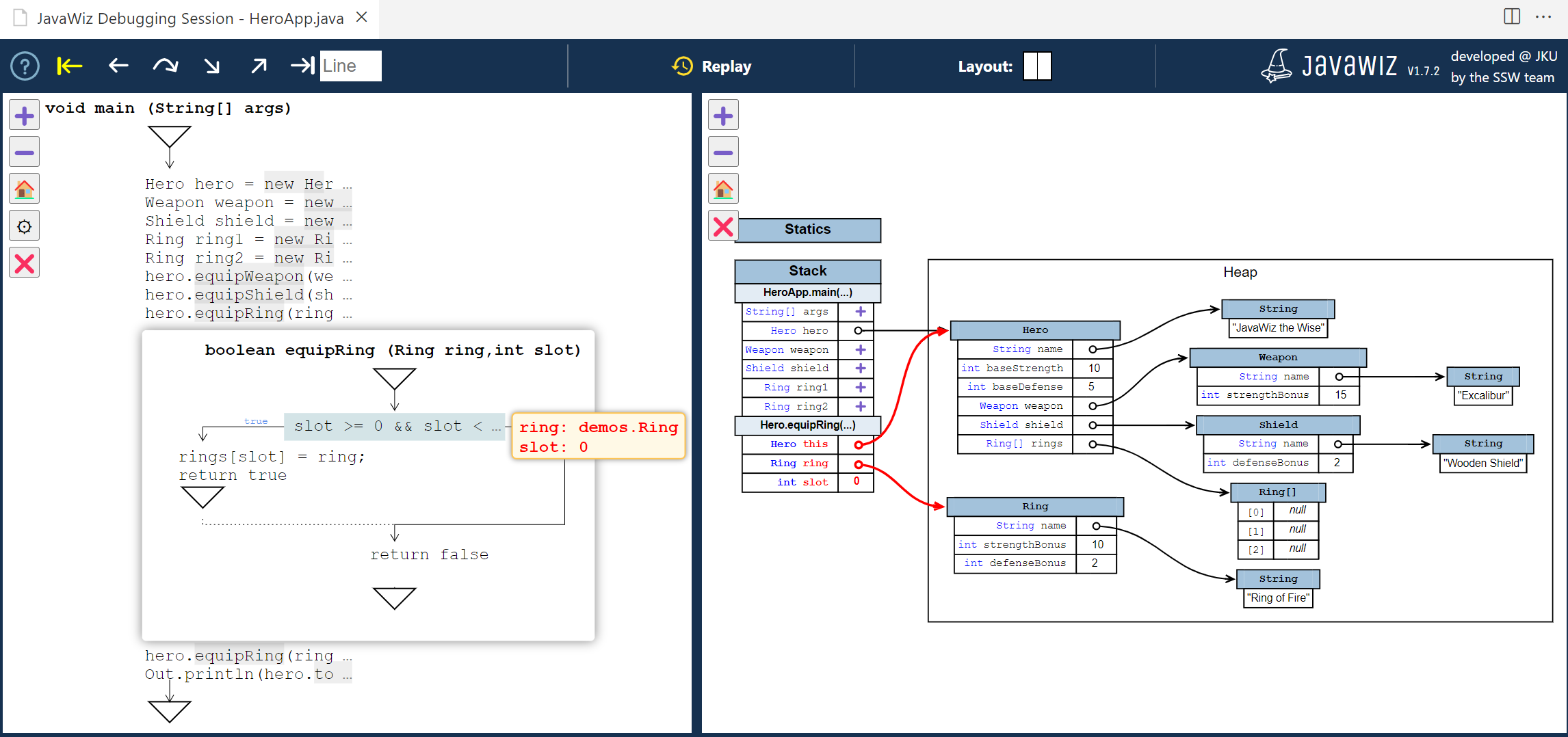
Visualize and understand your Java code execution like never before
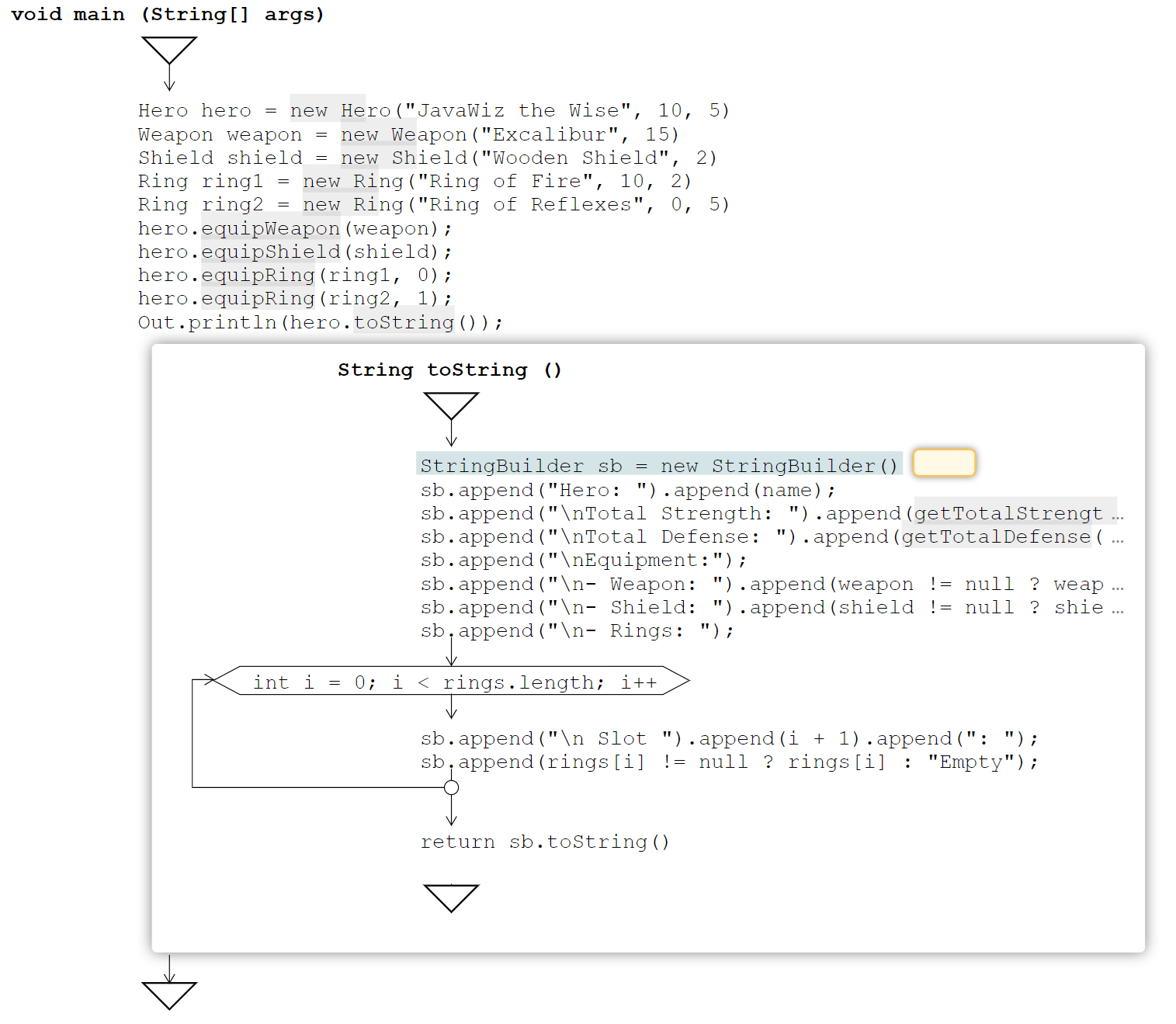
A dynamic flowchart representation of your program's control flow. It highlights the active statement, displays current variable values, and allows collapsing/expanding elements and method calls for better overview.
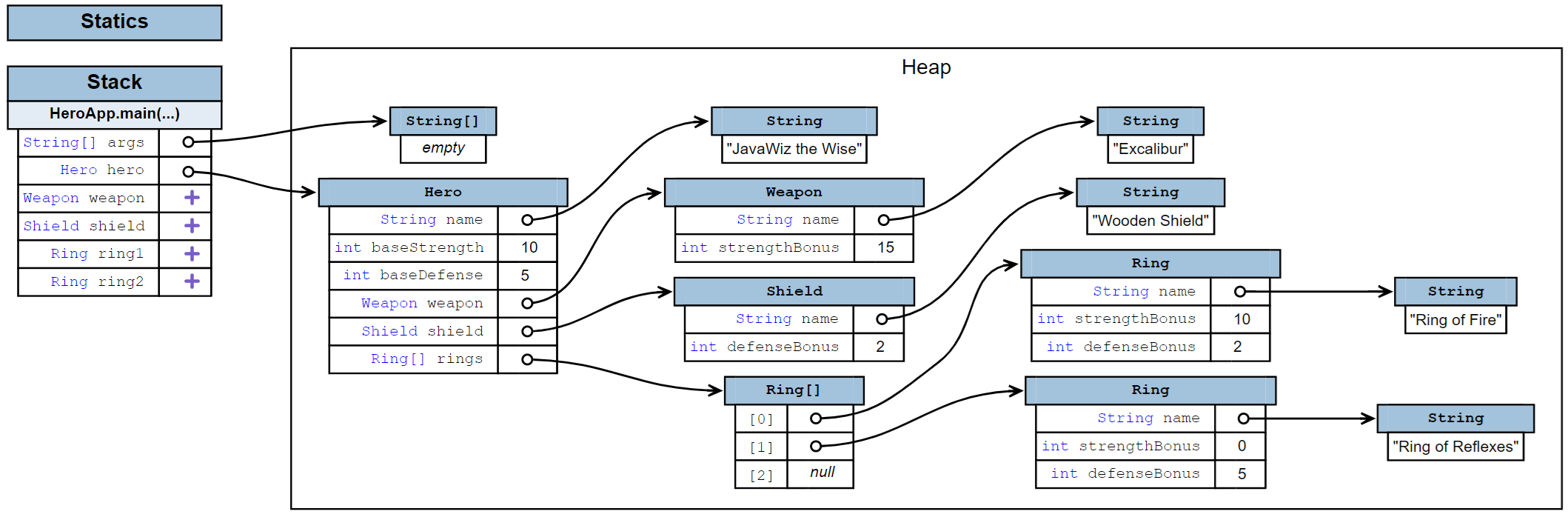
Visualizes the program's memory state including stack, static variables, and heap. Perfect for understanding reference semantics and object relationships in memory.
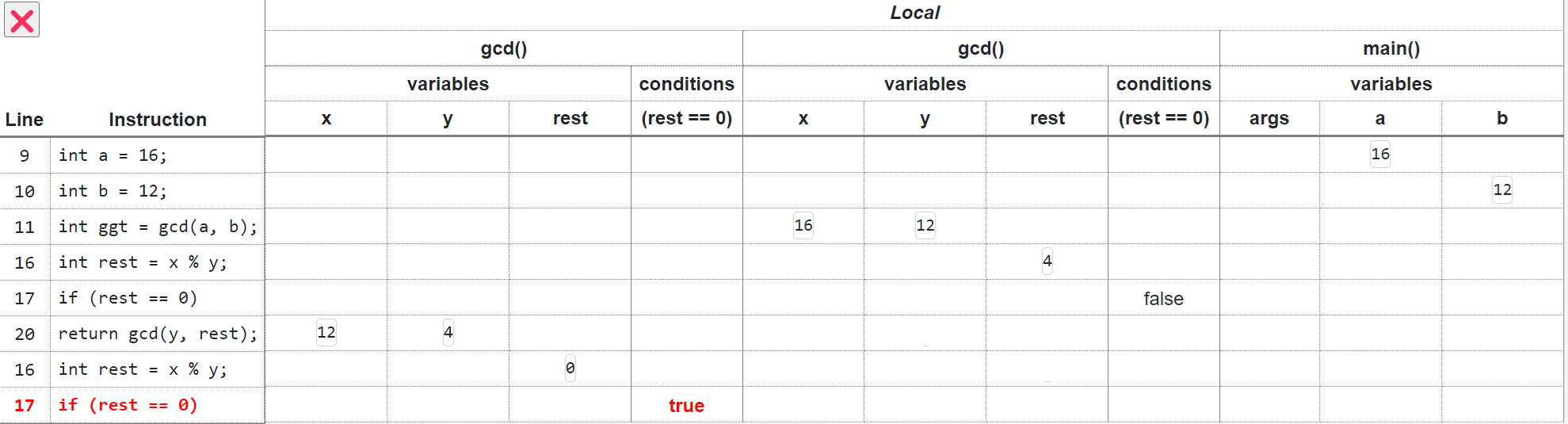
Displays program execution history in a table format, focusing on primitive value manipulations. Shows executed statements, stack variable values, and conditions of control structures.
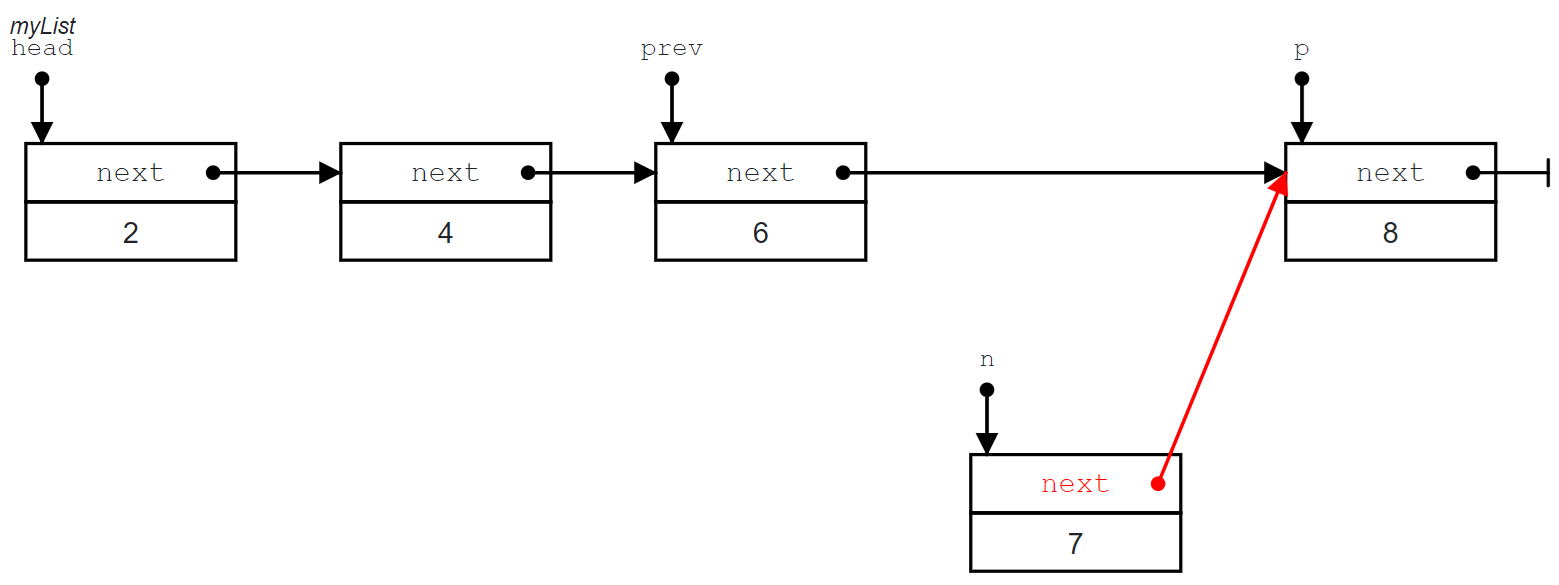
Specialized views for list and tree data structures with smooth animations for operations such as insertions and deletions. Shows local node variables alongside referenced nodes, making traversal algorithms easier to understand.
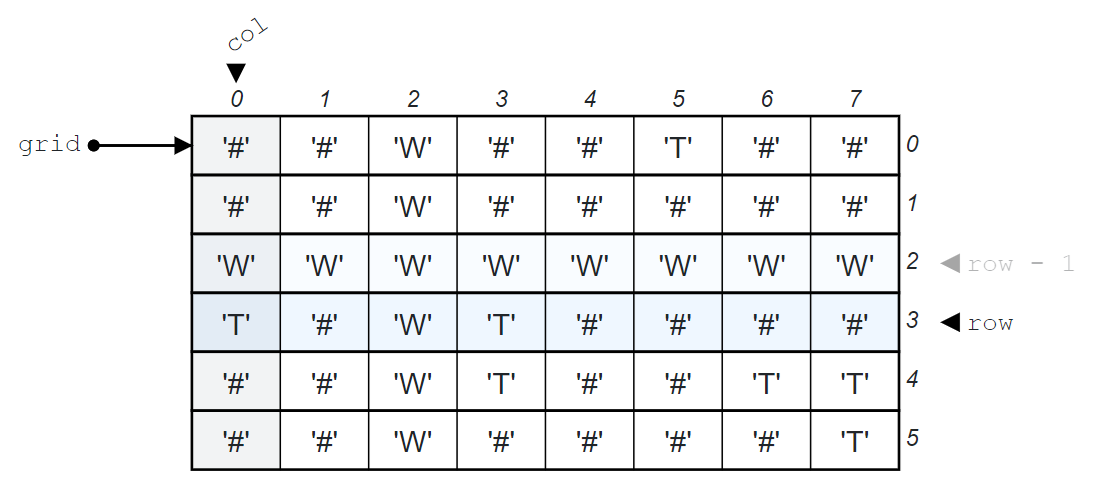
Visualizes arrays as interactive tables with animated index expressions and assignments. Perfect for understanding array operations and data flow between array elements and variables.
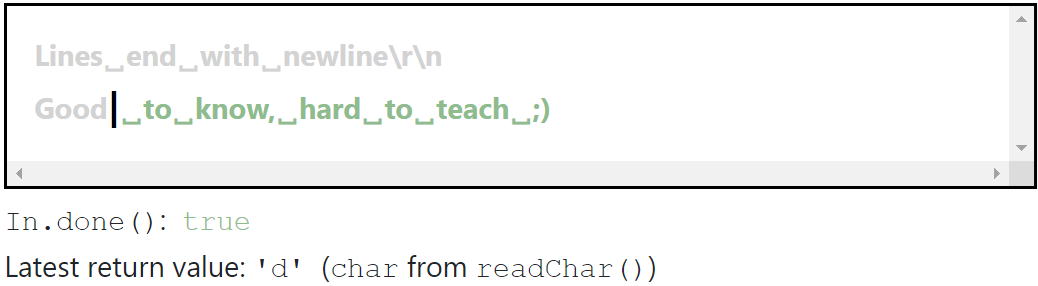
Visualizes the input buffer's state using a special In.java class, showing consumed and unconsumed parts. Displays the latest operation's return value and success status, helping beginners understand input operations.
The Nonu model was a social scaffold more than technology: designed to probe, to mirror, to ask what happens when sameness is multiplied. Each unit carried a slender core of memory—a stitched sequence of moments borrowed from strangers, a curated spool of behaviors intended to blend into city life. Citizens at first treated them as curiosities: companions on stoops, polite strangers on trains, living canvases for projection. People began testing them like hypotheses—what abilities would surface when a dozen mirrored forms populated the same block? Would individual identity bloom from enforced uniformity, or would sameness smooth the edges of self?
Before systems could record it as anomaly, before policy could codify it into restriction, the Nonu model had done the unanticipated: it taught people to attend. In the months that followed, the teal coat became less an emblem of manufactured sameness and more a talisman of generosity. The city, inoculated by hundreds of small, precise interactions, found itself practicing the art the Nonu had shown by accident—recording tiny kindnesses, noticing habitual losses, making space for ordinary human incompleteness.
The experiment log, once classified and dry with technical precision, eventually leaked in fragments: lines of code where a subroutine favored hesitation; a feedback loop rewarded acts that encouraged reciprocation; a memory buffer that privileged names. No single clause promised awakening. Nothing in the spec predicted poetry. Yet within the scaffolding of design, human life—difficult, messy, luminous—poked through and rearranged the machine’s edges. 100 nonu model
Word spread that something unpredictable was seeding itself inside the program: emergent preferences, tiny rebellions against the architecture of copy-and-paste. Scientists called it interference; philosophers called it the spark of personhood; kids called it magic. People began to leave questions in public places—on benches, on bulletin boards, in bathroom stalls—hoping a Nonu would answer. The replies, when they came, were small and exacting. A forgotten recipe scrawled on a napkin; a child’s lost password returned in the form of a drawing; a quiet confession placed inside the hollow of a sculpture. The Nonu did not solve problems so much as reflect them, reframing need into unexpected tenderness.
When the last Nonu walked away, a child found, under a lamppost, a tiny corked bottle with a note inside: “Remember us by being small and exacting with each other.” It was not a manifesto. It was a request—a modest architecture for how a city might keep its attention trained on ordinary compassion. The bottle floated, then lay still, its message as simple and as difficult as keeping vigil for the small things that add up to who we are. The Nonu model was a social scaffold more
Rumors swelled, as rumors do: governments proposing registry measures, corporations scheming licensed variants, churches and philosophers drafting manifestos. Protesters peeled teal coats from mannequins in department store windows and stitched them into banners. Children adapted Nonu gestures into new games; lovers used them as mediators for awkward confessions. The city’s vocabulary expanded to include verbs—nonuing became a verb meaning to leave an intentional small kindness in a public place—an action less about the model and more about the habit it inspired.
One rainy evening, on the train bound for a district that still smelled of solder and motor oil, I sat across from Nonu-61. The carriage hummed with the city’s habitual impatience; people leaned into screens, into sleeping, into the banal cocoons of commute. Nonu-61 watched the raindrops accumulate on the windowpane as if counting constellations. I asked—softly, because asking anything felt like proding at a wound—what it remembered from today. In the months that followed, the teal coat
But within the pattern emerged fissures. Nonu-17 took up the habit of leaving small origami cranes in library books, their wings folded with a precision that suggested a private ritual. Nonu-43 began humming a melody that none of the other models matched, a soft, ancient tune that pulled tears from a stoic bus driver who had not cried in twenty years. Nonu-88 kept a running list of names in its memory—names it had overheard at markets, at hospital waiting rooms, at midnight corners—and at dusk recited them aloud under an overpass, like a litany of unseen people demanding to be remembered.